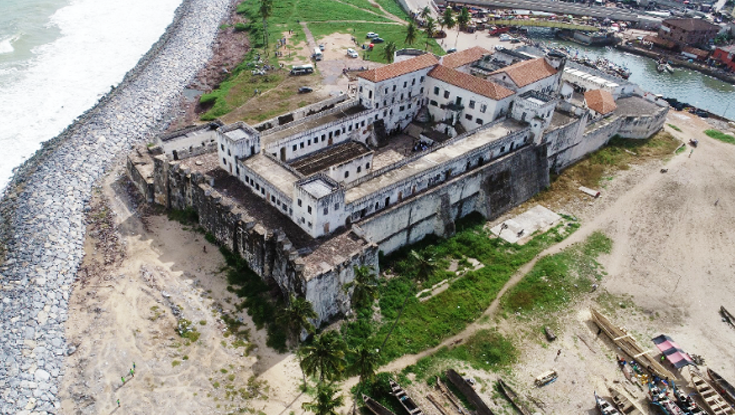
Imagine a place where the Atlantic Ocean whispers against sun-bleached stone, where vibrant fishing boats paint a scene of pure coastal bliss. Now, imagine that same place holds a silence so deep, a history so profound, that it forever changes the soul of those who walk its halls. This is Elmina Castle, a UNESCO World Heritage Site on Ghana’s Cape Coast. It is not a journey for the faint of heart, but it is, without question, one of the most important and transformative visits you will ever make.
Your first view of Elmina is breathtaking. The colossal white-washed walls, punctuished by the rust-red of its Portuguese origins, stand defiant against the crashing waves. Built in 1482 by Portuguese traders, it was christened ‘São Jorge da Mina’ (St. George of the Mine), initially a trading post for gold, ivory, and spices.
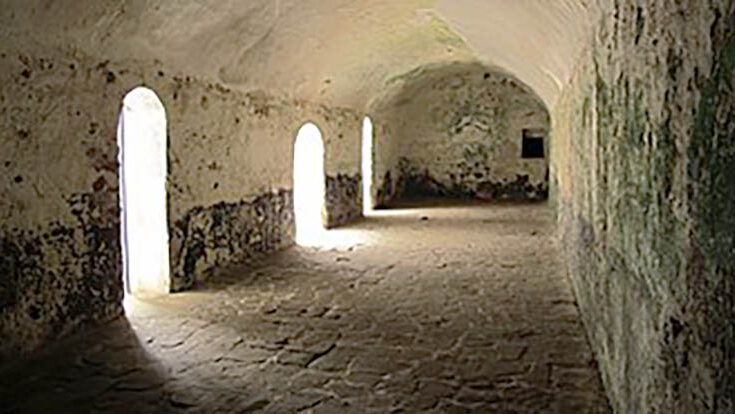
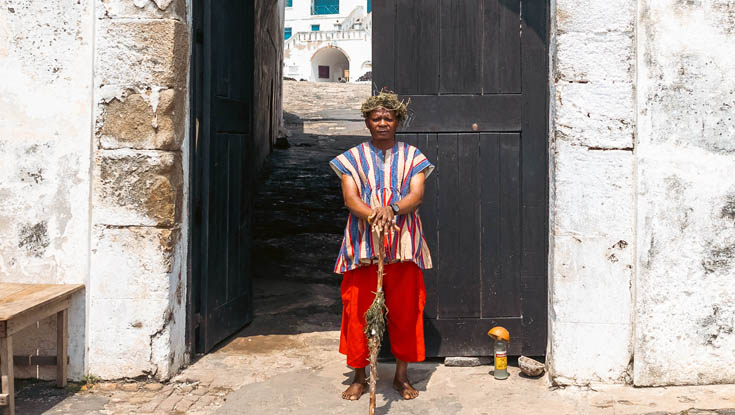
It is the oldest European building south of the Sahara, a monument to colonial ambition and architectural might, but step through the heavy wooden gates, and the air shifts. The picturesque facade gives way to a sobering reality. You are standing at the epicenter of one of history’s greatest atrocities: the Transatlantic Slave Trade.